7-Day Morocco Itinerary: Marrakech, Fes, Sahara and Chefchaouen
A practical 7-day Morocco itinerary covering Marrakech, Fes, the Sahara dunes, and Chefchaouen — with destination, restaurant, and hotel picks for first-time travellers.
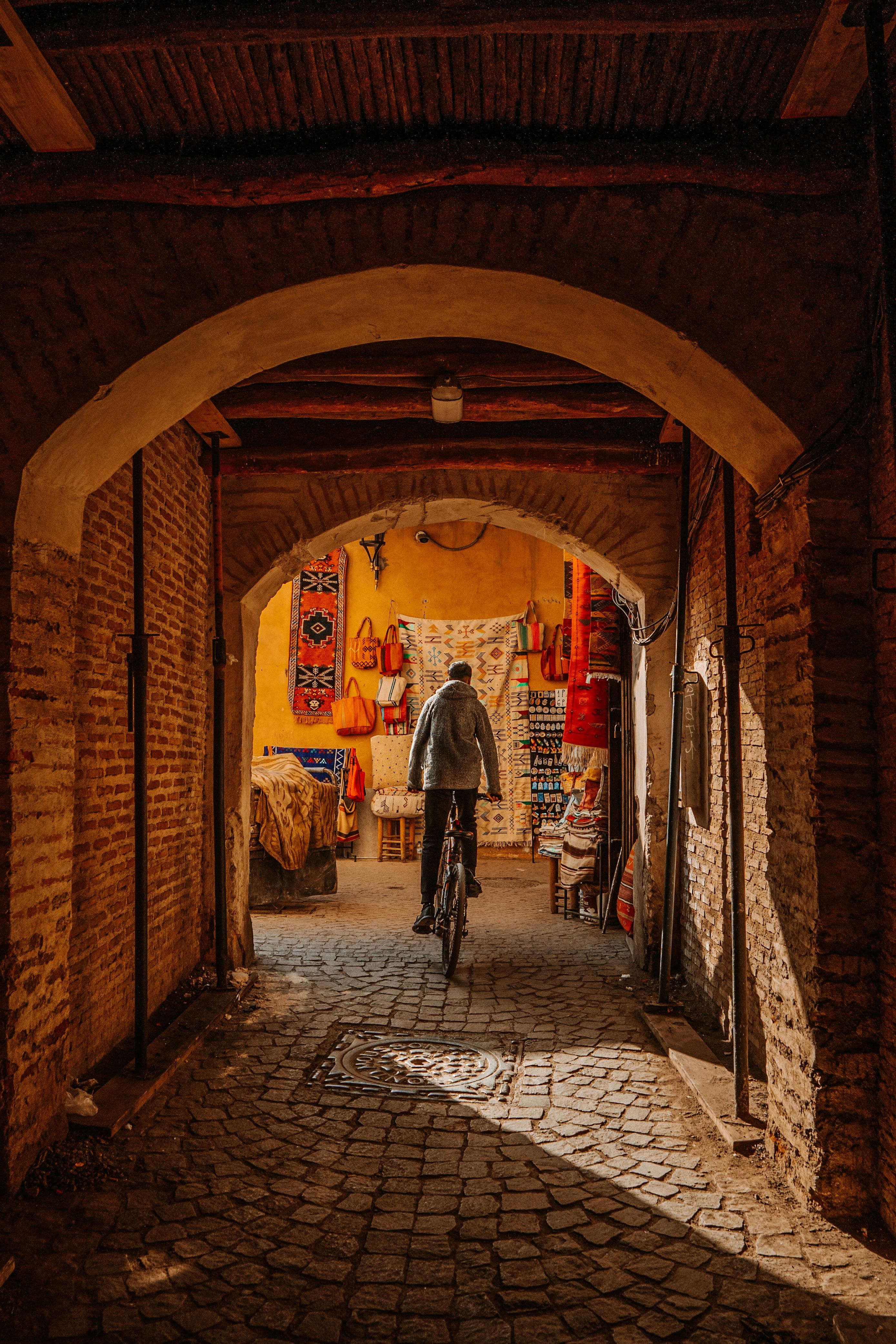
A 7-day Morocco itinerary works best as Marrakech (3 days), Fes (2 days), the Sahara (1 night in Merzouga), and Chefchaouen (1 day), connected by domestic flights and overland transfers. The route combines imperial cities, medieval medinas, Saharan dunes, and the blue-painted Rif mountains — Morocco's four most-cited highlights, supported by a record 17.4 million visitors in 2024 [Source: Ministry of Tourism Morocco, 2025].
Where Should You Start a 7-Day Morocco Trip?
Start in Marrakech. The city's Menara Airport (RAK) is the most-served gateway for European travellers, with direct flights from London, Madrid, Paris, Frankfurt, and most major hubs. Morocco welcomed 17.4 million visitors in 2024, an increase of nearly 20% over the previous year, and generated approximately $11.2 billion in tourism revenue [Source: Ministry of Tourism Morocco, 2025]. The infrastructure now supports a multi-city route without needing a guide for transfers.
From Marrakech you have two practical routes: north-east overland to Fes via the Atlas Mountains and the Sahara, returning by train. Or fly Marrakech to Fes in one hour and arrange the Sahara as a 3-day desert excursion from there. The route below assumes overland for the desert experience.
For a 7-day plan, treat each city as a stop rather than a base. Sleep where you visit, use domestic flights or the modern ONCF train (Marrakech–Casablanca–Fes) for inter-city moves, and reserve a 4WD with driver for the Atlas–Sahara segment.
What to See in Marrakech (Days 1-3)?
Marrakech rewards three days of exploration spread across the historic medina, the Ville Nouvelle, and the surrounding gardens. Build the visit around three loops: Jemaa el-Fnaa and the southern medina, the souks and museums, and the gardens west of the walls.
Day 1 — Jemaa el-Fnaa and the southern medina
Begin at Jemaa el-Fnaa square at sunset, when storytellers, musicians, and food stalls fill the plaza. By day, walk south through the medina to the 16th-century Saadian Tombs and the Bahia Palace, a 19th-century Grand Vizier's residence with carved cedar ceilings. Finish at the El Badi Palace ruins before returning to the square for evening fresh juice and grilled food at the open-air stalls.
Day 2 — Souks, Madrasa, and the Photography Museum
Spend the morning in the souks north of Jemaa el-Fnaa: Souk Semmarine for textiles, Souk des Teinturiers for dyed yarn, Souk Haddadine for ironwork. Visit the 14th-century Ben Youssef Madrasa, reopened after restoration in 2022, and the Maison de la Photographie nearby. The Marrakech Museum and the Mouassine fountain are 10-minute walks apart.
Day 3 — Gardens and modern Marrakech
Take a taxi or walk to the Majorelle Garden, the cobalt-blue villa restored by Yves Saint Laurent, which now houses both the Berber Museum and the adjacent YSL Museum. Continue to the nearby Anima Garden by André Heller for contemporary art. Spend the afternoon in the Hivernage district or relax at a hammam before dinner.
Where to Eat in Marrakech and Fes?
Marrakech and Fes are Morocco's two most important culinary cities, both built around tagines, couscous, mechoui (slow-roasted lamb), and pastilla (sweet-savoury layered pies).
Marrakech
- Le Jardin (Medina) — Casual lunch in a converted courtyard with rooftop tables. Owned by chef Kamal Laftimi, the same group as Nomad and Café des Épices.
- Nomad (Place Rahba Kedima) — Modern Moroccan cuisine on a four-tiered rooftop overlooking the spice square. Known for shoulder of lamb and harissa-spiced fish.
- La Maison Arabe — Cooking-school restaurant inside a luxury riad. Tasting menus draw on Moroccan classics with modern technique.
- Le Tobsil — Traditional 7-course dinner in a 19th-century riad. Set menu, advance booking required.
- Dar Yacout — Palace dining with rooftop seating and live music.
Fes
- Café Clock (Fes Medina) — Famed for its camel burger and Sunday Sufi music nights. Branches also in Marrakech and Chefchaouen.
- The Ruined Garden — Restaurant in a restored garden ruin within the medina. Slow-cooked tagines and seasonal vegetables.
- Numéro 7 — Rotating chef-in-residence concept inside a 19th-century riad. Menu changes monthly.
Book popular dinner spots in Marrakech and Fes 2-3 days ahead during peak season (October–April).
Where to Stay in Marrakech?
Marrakech accommodation is divided between medina riads (traditional courtyard houses) and modern hotels of the Hivernage and Palmeraie districts. A riad stay gives you the heart of the old city; a Palmeraie resort gives you space and a pool.
| Hotel | District | Style | Notable |
|---|---|---|---|
| La Mamounia | Hivernage | Grand 1923 palace | Saadian-era walls, three pools, four restaurants |
| Royal Mansour Marrakech | Hivernage | Royal-commissioned | Private riads, La Grande Table Marocaine |
| Selman Marrakech | Palmeraie | Equestrian estate | Arabian stables, Jacques Garcia design |
| Kasbah Tamadot | Atlas Mountains | Mountain retreat | Owned by Richard Branson, 75 minutes from city |
| Riad Yasmine | Medina | Boutique riad | Photogenic green-tiled pool, intimate scale |
Luxury palace hotels
- La Mamounia — Opened 1923, hosted Winston Churchill and global heads of state. Restored gardens of the Saadian sultan, four restaurants including L'Italien par Pierre Hermé.
- Royal Mansour Marrakech — Built by King Mohammed VI; individual riads connected via private service tunnels. Three-Michelin-starred chef Yannick Alléno's La Grande Table Marocaine.
Boutique riad stays
- Riad Yasmine — Photographer-friendly riad with a green-tiled plunge pool, central-medina location.
- El Fenn — Owned by Vanessa Branson; contemporary art-filled labyrinth of courtyards and rooftops.
How Do You Experience the Sahara (Days 4-5)?
The classic 2-day overland route from Marrakech crosses the High Atlas Mountains via the Tizi n'Tichka Pass (2,260 m) to Ouarzazate, Africa's "Hollywood" with the UNESCO-listed Aït Benhaddou ksar. Continue east through the Dadès and Todra Gorges before arriving in Merzouga at the foot of the Erg Chebbi dunes, the tallest sand sea in Morocco.
Day 4 — Atlas Mountains and Ouarzazate
Leave Marrakech early. Stop at Aït Benhaddou, a fortified earthen village dating to the 17th century and a filming location for Gladiator and Game of Thrones. Overnight in Ouarzazate or push further to the rose-pink Skoura palm oasis.
Day 5 — Dunes and Berber camp
Reach Merzouga by mid-afternoon. Mount a camel or 4WD for the 90-minute crossing to a Berber camp deep in the Erg Chebbi dunes. Watch the sunset over the dunes, dine on traditional tagines, and sleep in luxury tents under the open sky. Pre-dawn camel ride back to your vehicle for the return journey.
Sahara camps
- Erg Chebbi Luxury Desert Camp — Heated bathrooms, private terraces, traditional Berber music after dinner.
- Desert Luxury Camp Merzouga — Solar-powered, sustainable construction, daily camel rides included.
What's Worth Seeing in Fes (Day 6)?
Fes el-Bali, the old medina, is the largest car-free urban area in the world with more than 9,000 narrow lanes. Founded in the 9th century, the medina is a UNESCO World Heritage site and contains the world's oldest continuously operating university, Al-Qarawiyyin, founded in 859 CE.
Enter through the Bab Boujloud blue gate. The Bou Inania Madrasa (1356) has carved cedar and zellij tilework rivalling Granada's Alhambra. The Chouara tanneries — Fes's most photographed scene — operate exactly as they have for nine centuries, with workers stomping hides in stone vats of pigeon dung and lime. Surrounding leather shops offer terrace viewpoints (no charge, but a tip expected).
The Nejjarine Museum of Wooden Arts and Crafts and the Karaouine Mosque (visible from outside; non-Muslims cannot enter) complete the architectural circuit. Drive out to Volubilis, the best-preserved Roman ruins in Morocco, for a half-day trip with mosaics still in situ.
Fes accommodation
- Riad Fes (Member of LHW) — 19th-century palace, two restaurants, indoor pool, full-service spa.
- Karawan Riad — Boutique 17th-century riad in the heart of the medina.
- Palais Amani — Art Deco palace with garden courtyard, cooking school, and traditional hammam.
What's the Story Behind Chefchaouen or Essaouira (Day 7)?
For the final day, choose between two distinct atmospheres. Chefchaouen in the Rif Mountains is Morocco's "Blue Pearl," its medina walls washed in indigo since the 1930s for reasons that vary by storyteller (Jewish heritage, insect repellent, or sky symbolism). The 4-hour drive from Fes runs through olive groves and limestone hills. The Outa el-Hammam square and the kasbah museum anchor the visit; the steep climb to the Spanish Mosque viewpoint at sunset is the iconic photograph.
Essaouira on the Atlantic coast is the windswept counterweight — a 17th-century Portuguese-built fortified port, 2.5 hours from Marrakech. The medina is calmer than Marrakech's, the seafood comes straight off the boats at the port, and the Gnaoua music festival in June draws international acts.
Drive back to Marrakech (Essaouira) or Fes (Chefchaouen) on Day 7 evening for departure the next morning.
When Should You Go and How Much Should You Budget?
The most favourable windows are March–May and September–November, with daytime highs of 22-28°C in Marrakech and pleasant nights in the desert. Summer (June–August) brings interior temperatures above 40°C and overcrowded coastal towns. Winter (December–February) is mild on the coast but cold in the Atlas mountains and the desert; Saharan night temperatures can drop below zero.
A 7-day mid-range itinerary — 4-star riads, one domestic flight or train, daily site entries, a Sahara excursion, and meals at non-Michelin restaurants — typically lands around €1,100–€1,600 per person including airfare from Western Europe. A luxury version with La Mamounia, Royal Mansour, and private 4WD desert transfers can push past €5,000.
Connectivity notes
Morocco has 4G coverage exceeding 90% in tourist regions, and major sites — the Marrakech medina, Fes medina, Aït Benhaddou, and Chefchaouen — offer reliable mobile data. Buying a local SIM at the airport requires passport registration; a Maroc Telecom or Orange Morocco tourist SIM costs around 50-100 dirhams (€5-10). Many travellers now activate an eSIM before arrival to skip the kiosk queue; SimForMe offers Morocco-specific eSIM plans for European travellers if that is the route you prefer.
FAQ
Is 7 days enough to see the highlights of Morocco?
Yes for the four core regions — Marrakech, Fes, the Sahara, and either Chefchaouen or Essaouira. Seven days gives three full sightseeing days in Marrakech, two in Fes, plus a 2-day Sahara loop and one coast or mountain day. You will not reach Casablanca, Tangier, or the southern Atlantic coast on this schedule.
Should I take internal flights or drive between cities?
Drive for the Atlas–Sahara segment (the scenery is the experience), but consider the Marrakech–Fes train (8 hours, €25-50, smoother than driving) or the Marrakech–Fes flight (1 hour, €60-100). The ONCF train network is modernised and comfortable in first class; the upcoming Marrakech–Casablanca high-speed line is under construction for 2030.
What month is most reliable for a Sahara overnight camp?
October–April balance warm days and cool nights without summer's extreme heat. Sandstorms are most common March–April, while December–February nights can drop below freezing — bring warm layers regardless of season. Avoid Ramadan if you want full restaurant service throughout the route.
Do I need a guide in the Marrakech and Fes medinas?
Recommended for Fes — the medina has more than 9,000 lanes and is genuinely easy to get lost in for half a day. In Marrakech the medina is smaller and tourist-savvy; Google Maps works reasonably well. Riad concierges can arrange licensed guides for €20-40 per half-day in either city.
Is Morocco safe for European travellers in 2026?
Morocco remains one of the most-visited destinations in Africa, with the 2024 figure of 17.4 million foreign visitors marking a record [Source: Ministry of Tourism Morocco, 2025]. Standard travel precautions apply — petty theft in medina crowds, taxi-meter awareness, and bottled water in non-hotel settings. Government travel advisories from the UK Foreign Office, Spanish Ministry of Foreign Affairs, and German Auswärtiges Amt currently list Morocco as a routine-precautions destination. Always check the most recent advisory before booking.
Conclusion — A 7-Day Itinerary That Captures Morocco's Essence
A 7-day Morocco itinerary built around Marrakech, Fes, the Sahara, and Chefchaouen delivers the four highest-recognition experiences of the country: an imperial city of palaces and souks, a medieval medina untouched by cars, the world's most photographed sand sea, and a hill town painted entirely in blue. With one domestic flight or train and a 2-day overland desert loop, the schedule remains travellable without overnight transfers. Travellers willing to add two or three days can extend west to Essaouira or south to the M'Goun valley. The country's record 17.4 million international visitors in 2024 — surpassing its 2026 strategic target two years early [Source: Ministry of Tourism Morocco, 2025] — reflects the depth of the infrastructure that now supports this kind of route.