10-Day Japan Itinerary: Tokyo, Kyoto, Hakone, and Osaka
A practical 10-day Japan itinerary covering Tokyo, Kyoto, a Hakone or Nara day trip, and Osaka — with destination, restaurant, and hotel picks for first-time travellers.
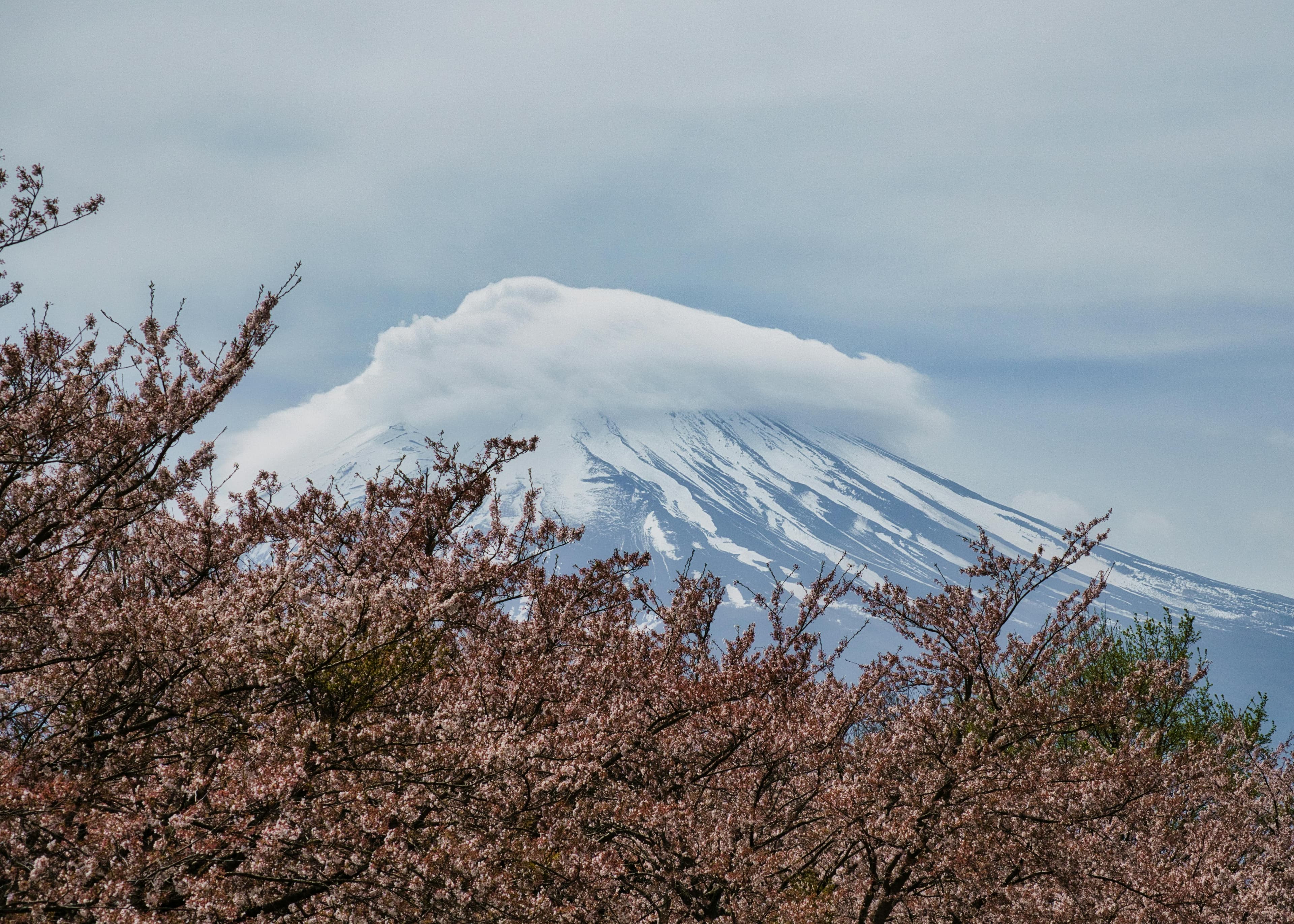
A 10-day Japan itinerary works best as Tokyo (4 days), Kyoto (3 days), Hakone or Nara (1 day), and Osaka (1-2 days), connected by the Tōkaidō Shinkansen. The route combines the world's largest metropolis, the historic Heian-kyō capital, hot-spring mountain villages, and Kansai's food capital — Japan's four most-cited regions, supported by a record 36.9 million visitors in 2024 [Source: JNTO, 2025].
Where Should You Start a 10-Day Japan Trip?
Start in Tokyo. Narita (NRT) and Haneda (HND) handle nearly every international flight, with direct service from London, Frankfurt, Madrid, Paris, and most major European hubs. Japan welcomed approximately 36.9 million foreign tourists in 2024, surpassing the previous record of 31.9 million in 2019, and inbound spending reached a historic high of approximately JPY 8.1 trillion (USD 53.3 billion) [Source: JNTO, 2025].
From Tokyo, ride the Tōkaidō Shinkansen south-west to Kyoto (2 hours 15 minutes on the Nozomi). Use Kyoto as a base for Nara (45 minutes) or Hakone (en route, 35 minutes from Tokyo). Finish in Osaka (15 minutes from Kyoto by Shinkansen, or 30 minutes by local) and fly out of Kansai International (KIX) or return to Tokyo.
For a 10-day plan, treat each city as a stop. A Japan Rail Pass (7- or 14-day, around €240/€380) covers all Shinkansen on the Tōkaidō line, the Yamanote loop in Tokyo, and most regional JR trains. Buy it before arrival via JR's online portal.
What to See in Tokyo (Days 1-4)?
Tokyo rewards four days of exploration across districts. Build the visit around four loops: Asakusa and the old Shitamachi, Shibuya–Shinjuku for modern shopping, Ueno–Akihabara for museums and otaku culture, and the contemporary Roppongi–Tsukiji axis.
Day 1 — Asakusa, Senso-ji, and Sumida
Begin at Senso-ji Temple, Tokyo's oldest Buddhist temple (645 CE). Walk Nakamise-dori for traditional snacks, then cross to the Tokyo Skytree (634 m, world's tallest tower at completion). Lunch at the river-facing Asahi Beer Hall or a Sumida tonkatsu shop.
Day 2 — Shibuya, Shinjuku, and Harajuku
Cross the Shibuya scramble crossing, browse Center-gai, and walk to Harajuku via Omotesando, the Champs-Élysées of Tokyo. Pop into the Meiji Shrine forest before the afternoon Shinjuku skyline view from the Metropolitan Government Building's free observation deck.
Day 3 — Ueno, Akihabara, and the Imperial Palace
Spend the morning in Ueno Park: Tokyo National Museum, Western Art Museum, or the Ueno Zoo. Walk south through Akihabara's electronics and anime districts, then continue to the Imperial Palace East Gardens (Edo-jō ruins) and the Marunouchi business district.
Day 4 — Tsukiji, teamLab, and Roppongi
Breakfast at Tsukiji Outer Market (the old fish market — Toyosu wholesale moved in 2018 but Tsukiji's retail and food stalls remain). Continue to the digital-art exhibition teamLab Borderless or Planets, then to Roppongi Hills for Mori Art Museum or sunset from the Tokyo City View. Dinner in Roppongi or Ginza.
Where to Eat in Tokyo?
The MICHELIN Guide Tokyo 2025 lists 160 starred restaurants, including 12 with three stars — more than any other city in the world [Source: Michelin Guide Tokyo, 2025]. Tokyo's strength is depth across cuisines: sushi, kaiseki, tempura, yakitori, ramen, izakaya, and French.
Notable starred and famous
- Sukiyabashi Jiro Honten (Ginza) — Three Michelin stars (delisted from public Guide but still operating). Jiro Ono's 10-seat omakase counter; reservations through hotel concierge only.
- Narisawa (Minato) — Two Michelin stars. Yoshihiro Narisawa's "innovative satoyama cuisine"; consistently top-10 on Asia's 50 Best.
- Den (Jingumae) — Two Michelin stars. Zaiyu Hasegawa's playful modern kaiseki; the monaka course is iconic.
- Sushi Saito (Roppongi) — Three Michelin stars. Takashi Saito's edomae sushi; hotel concierge access only.
- L'Effervescence (Nishi-Azabu) — Three Michelin stars. Shinobu Namae's modern French with Japanese ingredients.
- Ginza Kojyu — Two stars, kaiseki by Chef Toru Okuda.
Ramen and casual
- Ichiran Shibuya — Tonkotsu ramen, single-seat solo dining booths.
- Afuri Ebisu — Yuzu-shio ramen, citrus-bright clear broth.
- Tonkatsu Maisen Aoyama Honten — Tonkatsu since 1965 in a converted bath house.
Sushi-saito-tier restaurants require hotel concierge or established-guest access. One-star restaurants are bookable via Pocket Concierge or OMAKASE (4-6 weeks ahead).
Where to Stay in Tokyo?
| Hotel | District | Style | Notable |
|---|---|---|---|
| Aman Tokyo | Otemachi | Top-floor urban Aman | 33rd-floor lobby with Mt Fuji view |
| The Tokyo EDITION Toranomon | Toranomon | Ian Schrager × Marriott | Forest-themed lobby, rooftop pool |
| Park Hyatt Tokyo | Shinjuku | Lost in Translation hotel | New York Bar, jazz, top-floor cinema |
| Hoshinoya Tokyo | Otemachi | Ryokan-style high-rise | Tatami floors, onsen on top floor |
| The Peninsula Tokyo | Marunouchi | Asian flagship | Imperial Palace adjacent, rooftop pool |
Modern luxury
- Aman Tokyo — Occupies the top six floors of the Otemachi Tower with a 30-metre Mt Fuji-facing lobby. Two restaurants and a 2,000 m² spa.
- The Tokyo EDITION Toranomon — Ian Schrager's design with a forest-canopy lobby and rooftop pool overlooking Tokyo Tower.
Ryokan-style and historic
- Hoshinoya Tokyo — Skyscraper ryokan with shoji screens, tatami, and a rooftop onsen using natural hot-spring water.
- The Imperial Hotel Tokyo (Hibiya) — Hosted royal visitors since 1923; current building from 1970 (Frank Lloyd Wright's earlier design demolished).
How Do You Experience Kyoto (Days 5-7)?
Travel by Shinkansen from Tokyo to Kyoto on Day 5 morning (2h 15min). Kyoto served as Japan's imperial capital from 794 to 1868 and contains 17 UNESCO World Heritage sites within and around the city.
Day 5 — Eastern Higashiyama: Kiyomizu, Gion, and Nanzen-ji
Start at Kiyomizu-dera, the 8th-century cliff temple. Walk down through Sannenzaka and Ninenzaka, the preserved Edo-era stone lanes, to Gion for the geisha district. Continue north to the philosophical Path (Tetsugaku-no-Michi) and Nanzen-ji's Meiji-era aqueduct.
Day 6 — Arashiyama and the western temples
Take the JR Sagano line west to Arashiyama. Walk the bamboo grove (sagano take-no-michi), visit Tenryu-ji (UNESCO), and cross the Togetsukyo Bridge. Lunch in the Arashiyama village before returning east via Ryoan-ji's zen rock garden and Kinkaku-ji, the gold-leaf Pavilion.
Day 7 — Fushimi Inari, Tofuku-ji, and Pontocho
Sunrise at Fushimi Inari Taisha — the 10,000 orange torii gates start crowded by 9 a.m., so arrive at 6:30 for the photogenic early light. Spend the morning hiking up to Mt Inari's summit (45 min). Return to the city for tea ceremony or Nishiki Market lunch, then dinner along the Pontocho riverside lane.
Where to Eat in Kyoto
The MICHELIN Guide Kyoto-Osaka 2025 lists 93 starred restaurants in Kyoto alone, including 5 three-star, 16 two-star, and 72 one-star tables [Source: Michelin Guide Kyoto-Osaka, 2025].
- Kikunoi Honten (Higashiyama) — Three Michelin stars. Yoshihiro Murata's flag-bearer kaiseki; established 1912.
- Hyotei (Nanzen-ji) — Three Michelin stars. 400-year-old kaiseki house, original tea-stop on the Tōkaidō road.
- Mizai (Maruyama Park) — Two Michelin stars. Eight-seat kaiseki overlooking the cherry-blossom park.
- Roan Kikunoi (Pontocho) — Kikunoi's Pontocho-side branch, one Michelin star, more accessible bookings.
Kyoto accommodation
- Aman Kyoto — 80-acre garden in Takagamine forest; minimalist pavilions among momiji maple.
- The Ritz-Carlton Kyoto (Kamogawa) — Riverside, blends Heian and modern; Mizuki for kaiseki, La Locanda for Italian.
- Hoshinoya Kyoto — Reached only by private boat up the Oi River from Arashiyama; one-of-a-kind setting.
- Tawaraya Ryokan (Nakagyo) — Operating since c. 1700; 18 rooms, traditional kaiseki and futon service.
What's Worth a Day Trip from Kyoto (Day 8)?
Choose between two classic day-trips:
Nara (45 min by JR or Kintetsu, ¥720) — Japan's first permanent capital (710-784). Todai-ji houses the 15-metre Daibutsu (Great Buddha) cast in 752 CE. The 1,200 sika deer of Nara Park roam freely, bowing for shika senbei crackers. Add Kasuga Taisha's 3,000 stone lanterns for a half-day extension.
Hakone (better as a Tokyo–Kyoto en-route stop) — Hot-spring resort 90 minutes from Tokyo on the Romancecar. Volcanic Owakudani valley, ropeway with Mt Fuji views on clear days, and the open-air Hakone Open-Air Museum. Stay overnight at Hakone Tenseien or Gora Kadan ryokan.
How Do You Experience Osaka (Days 9-10)?
Osaka sits 15 minutes from Kyoto by Shinkansen, the historic merchant capital and Japan's loudest food city. Locals say "kuidaore" — eat yourself bankrupt.
Day 9 — Dotonbori, Osaka Castle, and food stalls
Start at Osaka Castle, the 16th-century Toyotomi Hideyoshi stronghold. Walk south through Shinsaibashi shopping arcade to Dotonbori, the neon-and-canal entertainment district. Try takoyaki (octopus balls), okonomiyaki (savoury pancake), and kushikatsu (skewered fritters).
Day 10 — Departure or Universal Studios add-on
Fly out of Kansai International Airport (KIX) on Day 10, or use a final day for Universal Studios Japan (Super Nintendo World) or a Himeji Castle day trip (1 hour by Shinkansen, white-walled UNESCO castle).
Osaka accommodation
- The St. Regis Osaka (Honmachi) — Butler service, calm corporate-luxury counterpoint to Dotonbori.
- Conrad Osaka (Kita-ku) — Skyscraper Hilton brand with the Osaka Bay infinity pool.
- Hotel The Mitsui Kyoto (technically Kyoto, near the Osaka border) — Heritage Gosho garden hot spring, opened 2020.
When Should You Go and How Much Should You Budget?
The most favourable windows are late March to early April (cherry blossom sakura) and late November (autumn momiji). Summer (July–August) brings 35°C+ heat and tropical humidity, especially in Kansai. Winter (December–February) is clear and cold; Hokkaido and Tohoku ski destinations open in this window but Kanto–Kansai stays accessible.
A 10-day mid-range itinerary — 4-star city hotels, JR Pass, daily site entries, and meals at non-Michelin restaurants — typically lands around €2,200–€3,200 per person including airfare from Western Europe. A luxury version with Aman Tokyo, Aman Kyoto, and three-Michelin-starred dinners can push past €10,000.
Connectivity notes
Japan has 4G coverage at near 100% in tourist regions, with 5G in central Tokyo, Osaka, and Kyoto. The Wi-Fi-rental kiosks at airports remain popular but eSIM has eclipsed them in 2024-2025. SoftBank and KDDI both offer 7-15 day tourist eSIMs. Many travellers now activate an eSIM before arrival to skip the pickup queue; SimForMe offers Japan-specific eSIM plans for European travellers if that is the route you prefer.
FAQ
Is 10 days enough to see the highlights of Japan?
Yes for the Tōkaidō corridor — Tokyo, Hakone or Nara, Kyoto, and Osaka. Ten days gives four full sightseeing days in Tokyo, three in Kyoto, one day-trip, and 1-2 in Osaka. You will not reach Hiroshima, Hokkaido, Okinawa, or the Tohoku region on this schedule; those add 3-5 days each.
Should I get a Japan Rail Pass?
For a 10-day Tokyo-Kyoto-Osaka itinerary, the 7-day JR Pass (around €240, used during the city-to-city travel days) is borderline worth it after the October 2023 price increase. Calculate against the Tokyo–Kyoto round trip (¥27,000 / €170) plus local JR usage. Many travellers now skip it and buy individual tickets via the JR East or West apps.
What month is most reliable for cherry blossom (sakura)?
Late March to early April in Tokyo–Kyoto; the bloom window is 7-10 days and varies year-to-year by 1-2 weeks. JNTO publishes a forecast each January. For autumn momiji, mid-to-late November is the equivalent window in Kyoto.
Do I need to book Michelin-starred restaurants in advance?
For three-star Tokyo restaurants (Sukiyabashi Jiro, Sushi Saito, L'Effervescence, Kanda), you typically need hotel concierge access — public reservations are not accepted. Two-star and one-star restaurants accept bookings 4-6 weeks ahead via Pocket Concierge or OMAKASE. Kaiseki houses in Kyoto (Kikunoi, Hyotei) require 2-3 months for prime-season weekends.
Is Japan safe for European travellers in 2026?
Japan remains one of the world's safest destinations, with the 2024 figure of 36.9 million foreign visitors marking a record [Source: JNTO, 2025]. Standard travel precautions apply — minimal petty theft, near-zero violent crime in tourist areas, and excellent public transport. Government travel advisories from the UK Foreign Office, Spanish Ministry of Foreign Affairs, and German Auswärtiges Amt currently list Japan as a routine-precautions destination. Always check the most recent advisory before booking.
Conclusion — A 10-Day Itinerary That Captures Japan's Essence
A 10-day Japan itinerary built around Tokyo, Kyoto, a day-trip to Nara or Hakone, and Osaka delivers the four highest-recognition experiences of the country: the world's most densely Michelin-starred metropolis, a former imperial capital with 17 UNESCO sites, a forested onsen retreat or deer-filled ancient city, and Kansai's loudest food district. The Tōkaidō Shinkansen makes every transfer 15 to 135 minutes. Travellers willing to add 3-5 days can extend west to Hiroshima or north to Hokkaido. Japan's record 36.9 million international visitors in 2024 [Source: JNTO, 2025], paired with 160 starred restaurants in Tokyo alone [Source: Michelin Guide Tokyo, 2025], reflects why Japan now stands among the world's most-cited travel destinations.